









Why Kawasaki Jet Ski Engines Fail: Rebuild Checklist
Kawasaki Jet Ski engines usually do not fail for no reason. Most failures start with a warning sign, a worn part, or a supporting system that gets overlooked until the engine already needs a rebuild.
At REV6, we rebuild and remanufacture Kawasaki Jet Ski engines for riders, repair shops, and dealers across the country. By the time an engine core reaches our shop, the owner or shop usually already knows it needs a REV6 rebuild. From there, our master technicians tear it down, inspect the failure pattern, and rebuild it the right way.
This guide helps Kawasaki Jet Ski owners, DIY mechanics, shops, and dealers understand the common failure points before choosing the next step. Some customers need a full REV6 in-house rebuild. Others need DIY rebuild kits, top-end parts, bottom-end parts, pistons, bearings, gaskets, seals, or cylinder head parts to handle the work themselves.
Either way, understanding why the engine failed helps you avoid putting the same problem back together.
Quick Answer: Why Do Kawasaki Jet Ski Engines Fail?
Kawasaki Jet Ski engines can fail from overheating, restricted cooling flow, compression loss, piston damage, supercharger wear, jet pump issues, driveline problems, exhaust manifold leaks, poor fuel quality, and corrosion inside the cooling system. REV6 helps riders, shops, dealers, and DIY mechanics choose the right path, whether that means a rebuild kit, internal parts, or a full in-house rebuild by our master technicians.
Why the Failure Pattern Matters Before a Rebuild
A failed Kawasaki Jet Ski engine usually leaves clues. Overheating, compression loss, piston damage, supercharger noise, pump problems, fuel issues, and exhaust leaks can all point to what happened before the engine failed.
That matters because a rebuild should fix more than the broken part. If the cooling restriction, pump issue, fuel problem, or supercharger wear gets ignored, the next engine can fail the same way.
For DIY mechanics, shops, and dealers, this checklist can help narrow down what parts may be needed before ordering a rebuild kit. For customers sending in a core, REV6 uses teardown and inspection to confirm the failure pattern before our master technicians rebuild the engine.
If you need help choosing between parts, kits, or a full rebuild, Contact REV6 and our team can help point you in the right direction.
1. Overheating on Kawasaki Jet Ski Engines
Overheating is one of the most common Kawasaki Jet Ski engine problems we see. It also gets misdiagnosed often.
In many cases, the engine overheats because something upstream has restricted water flow. Because of that, you should inspect the cooling system and pump area before assuming the cylinder head or head gasket caused the problem.
Check the Intake Grate and Pump Area
Sand, weeds, mud, small rocks, and debris can restrict cooling flow. On STX and Ultra models, even a small blockage can create overheat warnings during idle-zone running or slow cruising.
Start with the intake grate, pump area, pisser outlet, and visible cooling discharge. A simple blockage can create expensive-looking symptoms.
Inspect the Impeller
A worn or damaged impeller can reduce water movement through the cooling system. If the Jet Ski runs better at speed but overheats at idle or in no-wake zones, the impeller and pump area deserve a close look.
Cavitation, damaged blades, and poor pump performance can all affect cooling flow and engine load.
Look for Cooling Passage Corrosion
Kawasaki Jet Ski engines use open-loop cooling. That means lake water, river water, or salt water runs through the cooling system.
Over time, minerals, salt, and corrosion can narrow cooling passages inside the engine, exhaust, and related parts. As a result, a Jet Ski may overheat off and on before anyone sees the restriction during teardown.
Verify the Sensor and Connector
A bad coolant temperature sensor or corroded connector can create a false overheat warning. Therefore, a good inspection starts with the simple checks before major engine work begins.
Confirm Head Gasket or Cylinder Head Damage
A cracked cylinder head or blown head gasket can cause overheating. However, testing should confirm that issue before parts get replaced.
Compression testing and leak-down testing can help confirm sealing problems before a rebuild plan is set.
2. Compression Loss and Piston Damage
Low compression is one of the clearest signs that a Kawasaki Jet Ski engine needs serious attention.
If one cylinder reads much lower than the others, or compression is low across the board, the next checks usually include ring wear, cylinder scoring, piston damage, valve sealing problems, or detonation damage.
Ring Wear on STX-12F and STX-15F Engines
On naturally aspirated Kawasaki Jet Ski engines like the STX-12F and STX-15F, ring wear can happen from hours, heat cycles, oil condition, and general use.
Once the rings stop sealing correctly, the engine can lose compression, burn oil, start harder, smoke, or feel weak under load.
Kawasaki Ultra 300 and 310 Piston Issues
Supercharged Kawasaki Ultra engines need extra attention during teardown. On Ultra 300, 300X, and 310 platforms, piston condition, ring-land damage, and piston generation matter.
Some earlier piston designs became known for ring-land failure under boost, especially when poor fuel quality or heavy use added more stress. Because of that, REV6 checks piston condition and failure pattern before the rebuild moves forward.
Fuel Quality and Detonation Damage
Supercharged Kawasaki Jet Ski engines are less forgiving than naturally aspirated engines. Poor fuel quality, low octane, old gas, or the wrong fuel choice can create detonation.
Detonation can damage pistons, rings, and cylinder surfaces. Therefore, fuel choice matters every time you ride an Ultra supercharged model.
3. Supercharger Noise and Wear on Kawasaki Ultra Models
Kawasaki Ultra 250, 260, 300, and 310 models use a supercharger system that needs proper inspection and maintenance.
When a supercharger starts making noise, do not ignore it. Growling, rattling, grinding, or harsh noise under boost can point to bearing wear or drive system problems.
Supercharger Bearing Noise
A noisy supercharger does not always mean the engine itself has failed. However, if the supercharger fails and sends debris into the intake tract, the engine can suffer expensive damage.
For that reason, riders should treat supercharger noise as a serious warning sign, not background noise.
Belt and Tensioner Wear
The supercharger belt and tensioner need regular attention. A neglected tensioner can speed up belt wear and create problems during riding or inspection.
If you own a supercharged Kawasaki Ultra, add belt, tensioner, and bearing checks to your regular service routine.
Early Ultra Reliability Concerns
Early supercharged Ultra models, including many 250X and 260X units, had more known reliability concerns than later platforms.
Jet pump bearing problems, driveline wear, and supercharger-related issues should be part of a pre-purchase inspection on older supercharged models.
4. Jet Pump and Driveline Problems That Feel Like Engine Failure
Not every Kawasaki Jet Ski performance issue comes from the engine.
We often see owners blame the engine when the real issue starts in the jet pump, impeller, driveshaft, or driveline. That is why a proper inspection looks beyond the cylinder head and crankcase.
Cavitation and High RPM With Low Speed
If the engine revs high but the Jet Ski does not accelerate correctly, the problem may be cavitation. A worn impeller, damaged pump, poor fitment, or driveline issue can cause that symptom.
Before assuming compression or timing is the issue, inspect the pump and impeller.
Pump Bearing Failure
Pump bearing failure can create noise, vibration, drag, and driveline stress. If you ignore it, the damage can move beyond the pump.
Because of that, pump inspection should be part of the diagnostic process before a rebuild decision gets made.
5. Exhaust Manifold and Gasket Leaks
Exhaust manifold leaks can start small. However, they can still create performance problems, corrosion, and water-related concerns if the leak gets ignored.
At REV6, our master technicians inspect manifold sealing surfaces and gasket condition during teardown. Even if the engine came in for another reason, exhaust sealing still matters.
A slow leak may not feel urgent at first. Still, it can create bigger problems over time.
When a Kawasaki Jet Ski Engine Needs a Full Rebuild
Some Kawasaki Jet Ski problems can be fixed before the engine fails. Others require teardown and rebuild work.
A full Kawasaki Jet Ski engine rebuild may be needed when the engine has low compression, piston damage, cylinder scoring, bearing wear, crankshaft damage, valve train problems, water intrusion, or severe overheating damage.
At that point, patching the obvious problem may not be enough. The entire engine needs inspection so the same failure does not come back after installation.
REV6 Rebuild Options for Kawasaki Jet Ski Owners
REV6 supports Kawasaki Jet Ski owners, repair shops, dealers, and DIY builders with multiple rebuild paths.
Full REV6 Rebuild by Our Master Technicians
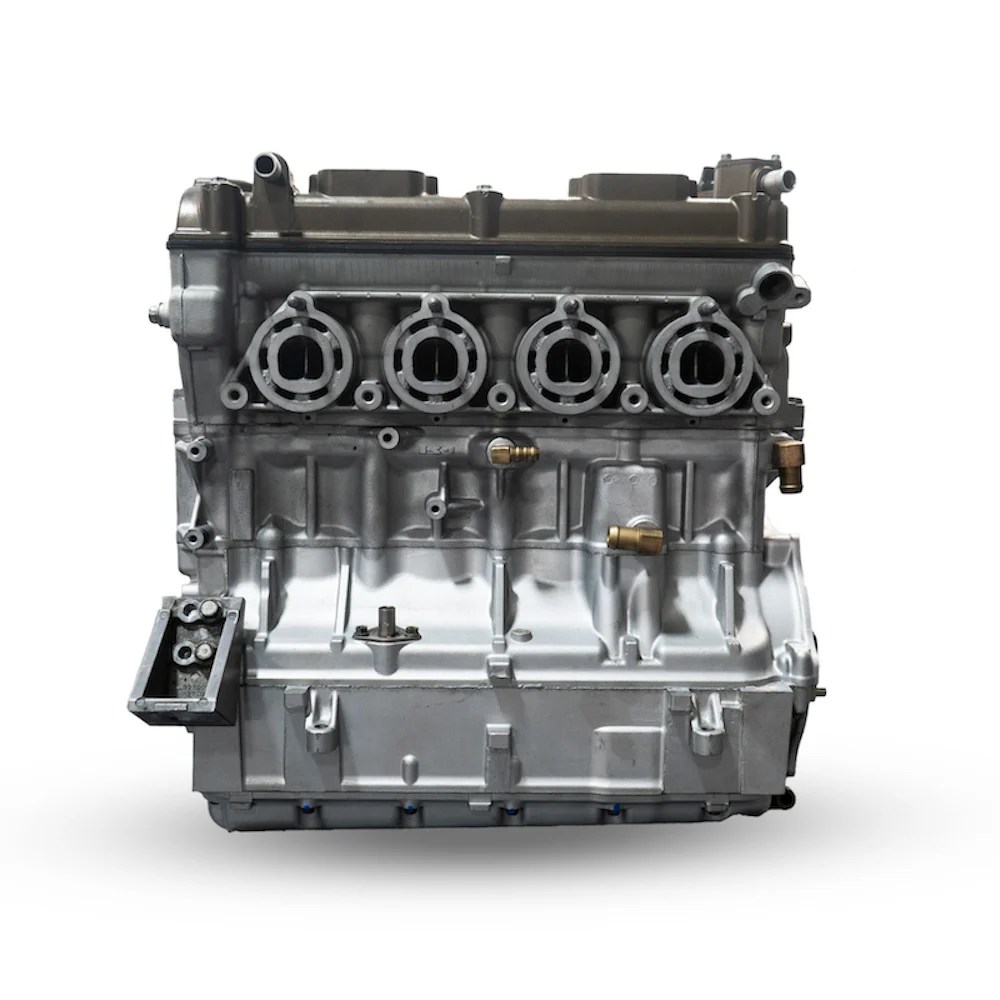
Many customers send in their Kawasaki Jet Ski engine core because they already know it needs a full rebuild. Once the core arrives, REV6 handles teardown, inspection, parts replacement, machine work when needed, assembly, and final quality checks in-house.
This path makes sense when the engine has serious damage, unknown internal wear, low compression, piston failure, bearing damage, water intrusion, or a failure that goes beyond a simple parts swap.
Learn more about the send-in process through the REV6 Core Program.
DIY Rebuild Kits for Riders, Shops, Dealers, and Mechanics
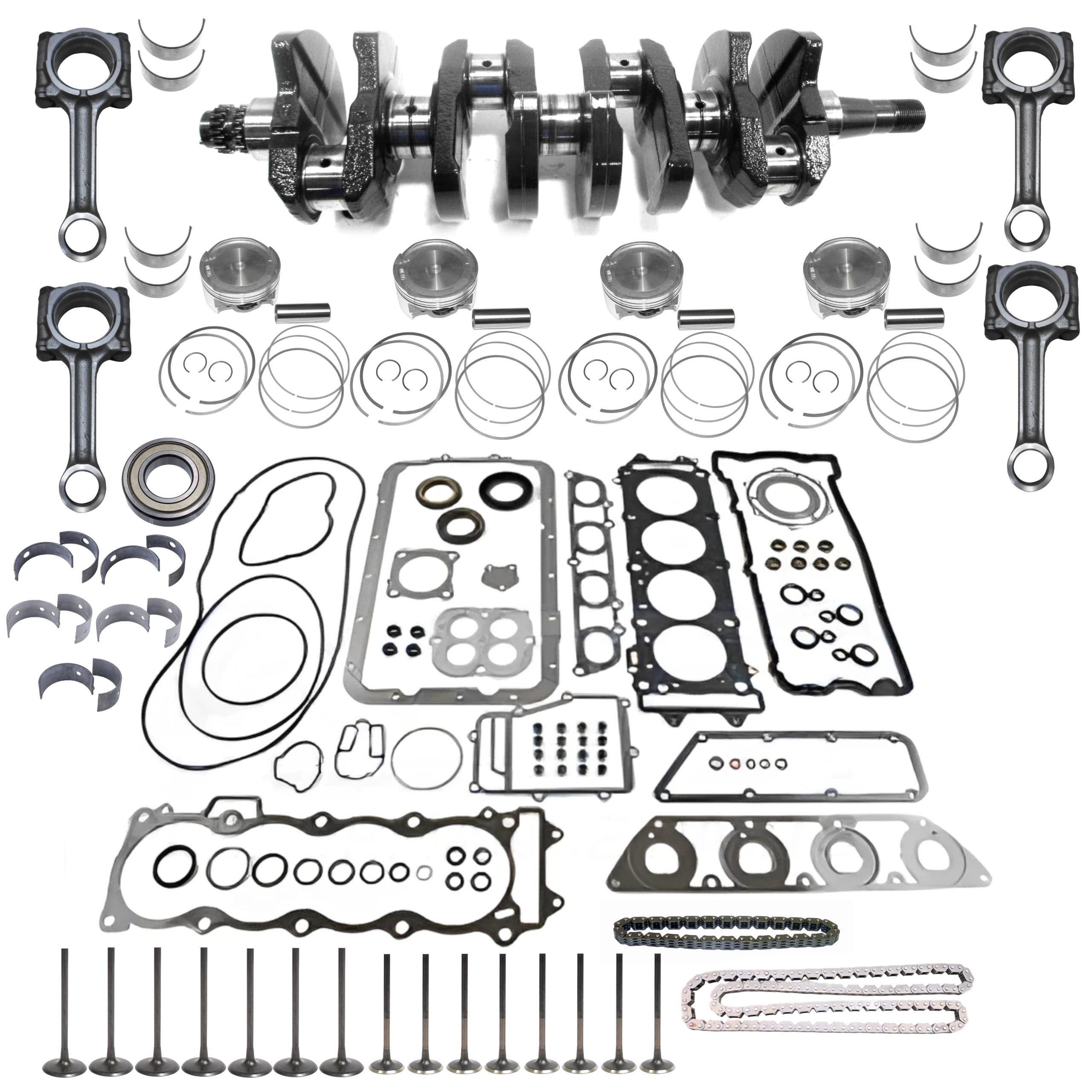
Not every customer needs REV6 to do the labor. Some riders, independent mechanics, repair shops, and dealers have the tools and experience to rebuild the engine themselves.
For those customers, REV6 sells Kawasaki Jet Ski engine rebuild kits, top-end kits, bottom-end parts, pistons, bearings, gaskets, seals, cylinder head parts, and other internal engine components.
That gives DIY builders and service departments a cleaner path than chasing parts from multiple suppliers.
You can browse Kawasaki Jet Ski engine and rebuild kit options by model, year, and platform.
Support for Repair Shops and Dealers
REV6 also supports independent repair shops and dealers that need a reliable remanufacturing partner. Shops can send in Kawasaki Jet Ski engine cores, source rebuild kits, and get support for customer repairs.
Dealers can also review the REV6 Dealer Program for account setup and volume support.
REV6 Warranty Support
Every rebuild should come with confidence after the sale. REV6 backs engines, transmissions, cylinder head service, and parts kits with no-fault warranty support.
That matters because Kawasaki Jet Ski engines work in harsh conditions. Heat, water, corrosion, fuel issues, and hard use can all expose weak points fast.
Before ordering, review the REV6 warranty policy or Contact REV6 with questions.
Kawasaki Jet Ski Engine Failure FAQ
Kawasaki Jet Ski engines commonly fail from overheating, restricted cooling flow, low compression, piston damage, supercharger wear, fuel-related detonation, pump problems, driveline issues, and exhaust manifold leaks.
A Kawasaki Jet Ski may overheat because of pump debris, restricted cooling passages, a worn impeller, corrosion inside the cooling system, a bad temperature sensor, a blown head gasket, or a cracked cylinder head.
Low compression can come from worn piston rings, cylinder scoring, piston damage, valve sealing problems, head gasket issues, or detonation damage. A compression test and leak-down test can help confirm the problem.
Some Kawasaki Ultra 300 and 310 engines can suffer piston or ring-land damage, especially under boost, poor fuel quality, or heavy use. REV6 checks piston condition and failure pattern during teardown.
Yes. Growling, rattling, or grinding from the supercharger can point to bearing or drive system wear. If ignored, supercharger failure can send debris into the intake tract and damage the engine.
Yes. Cavitation, pump bearing wear, impeller damage, and driveline vibration can feel like an engine problem. That is why the pump, impeller, and driveline should be checked before assuming the engine caused the issue.
If you have the tools, service information, and rebuild experience, a REV6 Kawasaki Jet Ski rebuild kit may be the right path. If the engine has major damage, unknown internal wear, low compression, piston failure, bearing damage, or water intrusion, many customers send their engine core to REV6 for a full rebuild by our master technicians.
Yes. REV6 sells Kawasaki Jet Ski engine rebuild kits, top-end parts, bottom-end parts, gaskets, seals, pistons, bearings, cylinder head parts, and other internal engine parts for shops, dealers, and DIY mechanics.
Yes. REV6 backs engines, cylinder head service, transmissions, and parts kits with no-fault warranty support. Customers should review the REV6 warranty policy for current coverage details.
The Bottom Line
Kawasaki Jet Ski engines usually fail for a reason. Overheating, compression loss, piston damage, supercharger wear, pump issues, driveline problems, and exhaust leaks all leave clues.
The key is finding the failure pattern before throwing parts at the problem.
REV6 is the number one choice for Kawasaki Jet Ski engine rebuilds, parts, kits, and remanufacturing support. We rebuild engines in-house, sell parts for DIY and shop repairs, support dealers, and back our work with no-fault warranty coverage.
Trying to decide between a DIY Kawasaki Jet Ski rebuild kit and a full REV6 in-house rebuild? Contact REV6 and our team will help you choose the right path for your engine, shop, or dealership.