









UTV Cooling Systems: Why Engines Overheat, What Causes It, and How to Fix It
The cooling system in a UTV is one of the least glamorous parts of the machine, but it is also one of the most important. When it is working correctly, you never think about it. When it is not, the temperature gauge becomes a countdown timer for engine failure.
Overheating is one of the leading causes of blown head gaskets, warped cylinder heads, detonation, and rod bearing failure, and it almost always begins with signs riders tend to overlook. Before you can fix overheating, you need to understand how the system is supposed to work and what goes wrong when temperatures climb.
How a UTV Cooling System Is Supposed to Work
In a modern UTV, a water pump circulates coolant through the crankcase and cylinder head. Heat moves from the engine into the coolant, then through the radiator and out into the air. The entire system relies on:
- Proper system pressure
- No air pockets trapped in the cooling passages
- Unrestricted coolant flow
- Consistent fan control and accurate temperature readings
When any one of those elements fails, temperature climbs fast and the engine begins telling a story of what has gone wrong. If overheating has already caused damage, it may be time to look at an engine rebuild. Our engine rebuild kit guide is a good starting point if you are pricing out repair options.
How Overheating Usually Begins
Overheating almost always shows up in stages. At first, temperatures creep slightly higher during slow-speed driving. Then coolant begins to push into the overflow bottle. Eventually, the warning light comes on and, once that happens, some level of damage has already begun.
Sometimes the cause is simple. Other times it is hidden deep in the cooling system or inside the engine itself. Understanding the underlying causes helps prevent repeat failures and avoids throwing random parts at the problem.
The Failing Water Pump Impeller
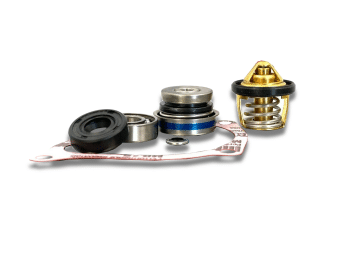
A weak, damaged, or slipping impeller is one of the most common sources of overheating. The impeller is responsible for circulating coolant and, when it becomes worn or cracked, flow drops dramatically.
It often starts subtly: higher temps on long climbs, inconsistent cooling at high RPM, or steam pushing from the overflow bottle while the radiator stays cool. That is a sign the coolant is not moving the way it should.
Technical Signs of an Impeller Problem
- Coolant not circulating strongly with the cap off
- Radiator staying cool while the engine is hot
- Temperature spikes under load or at higher RPM
- Impeller blade erosion, pitting, or cracking
- Impeller slipping on the shaft at higher RPM
Fix
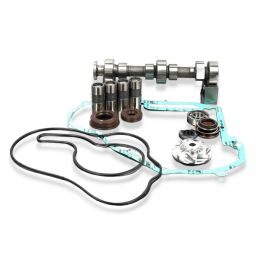
Replacing the water pump assembly is the only reliable repair. A failing impeller will not recover and will continue to cause overheating and potential head gasket failure if ignored.
Head Gasket Problems That Pressurize the Cooling System
Many overheating issues trace back to a head gasket beginning to fail. When combustion gases leak into the cooling system, pressure rises quickly. The cooling system becomes over-pressurized, coolant pushes into the overflow bottle, and flow through the radiator is disrupted.
Riders often mistake this for a bad radiator cap, but the real culprit is combustion pressure entering the coolant passages.
Technical Signs of Head Gasket Failure
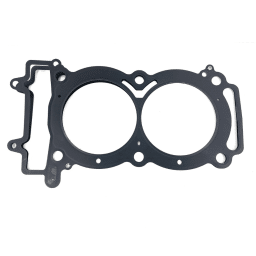
- Upper radiator hose becomes rock-hard within minutes of startup
- Bubbles in the radiator even when the engine is cold
- Coolant pushing into the overflow bottle randomly
- Sweet smell or visible steam from the exhaust
- Milky-looking engine oil from coolant contamination
- Temperature rising inconsistently or spiking without warning
Fix
A failing head gasket requires proper engine work, not just a cap or thermostat:
- Cylinder head removal and inspection
- Decking the head if it is warped
- New head gasket and TTY (torque-to-yield) head bolts
- Thorough cooling system flush
- Inspection of cylinder walls and pistons for hot spots or scuffing
Ignoring this problem only accelerates internal engine damage. If you are already at this stage, it may be worth reviewing our warranty coverage options and rebuild services so you know what is covered when things go wrong.
Air in the Cooling System – The Hidden Overheater
Air pockets are a major problem in Polaris ProStar and other UTV engines. After coolant changes, repairs, or head gasket work, the system must be bled properly. Air pockets prevent full coolant contact inside the head and block circulation, which causes rapid temperature spikes.
Technical Signs of Air Pockets
- Temperature surges suddenly rather than climbing steadily
- Overflow bottle draining and refilling erratically
- Upper hose is staying cold while the lower hose is hot
- Gurgling or boiling sound after shutdown
- Inconsistent heat output for machines with cab heaters
Fix
Bleed the cooling system correctly every time:
- Raise the front of the machine to move air toward the radiator
- Fill the radiator slowly with the cap off
- Run the engine until the thermostat opens
- Massage the hoses to help release trapped air
- Continue until all bubbles stop appearing
- Refill the overflow bottle to the proper level
Improper bleeding is responsible for a large percentage of “mystery” overheating cases that come into shops and engine builders like REV6.
Radiator Airflow Problems
When dust, mud, or debris clogs the radiator fins, airflow drops and heat cannot escape. This is especially common on machines used in mud, sand, or farm environments where radiators are constantly exposed to dirt and chaff.
Technical Signs of a Clogged Radiator
- Overheats at low or moderate speeds
- Cooling fans run almost constantly
- Temperatures improve temporarily at higher speeds
- Thick debris is packed between fins or caked on the core
Fix
- Clean the radiator carefully with low-pressure water
- Straighten bent fins without crushing the core
- Inspect for internal blockage and replace if necessary
For riding and maintenance tips that help keep radiators clear and engines happy, you can browse more articles in the REV6 blog.
Thermostat or Fan System Malfunction
A thermostat stuck closed, a bad relay, or a failed sensor can all lead to sudden overheating, even in a clean and properly filled system.
Common Failures
- Thermostat not opening at the correct temperature
- Temperature sensor is giving false readings
- Fan relay failure under load
- Fan motor burnout or noisy operation
- Corrosion or damage in the wiring and connectors
Fix
- Test the thermostat in hot water to confirm the opening temperature
- Manually trigger the fan to confirm it operates correctly
- Replace faulty sensors, relays, or fan motors
- Inspect and repair corroded or damaged wiring
- Use a tune with optimized fan activation temperatures where available
If you want to see how these systems behave in real-world conditions, we regularly share teardown and tech content on our REV6 YouTube channel.
How Overheating Damages the Engine
Many riders underestimate how quickly overheating can cause internal engine damage. Even a short period in the red can set off a chain of failures that show up later.
Effects of Overheating
- Head gasket failure and combustion leaks into the cooling system
- Warped cylinder head and sealing issues
- Piston scuffing and skirt damage
- Oil breakdown and loss of lubrication film
- Rod bearing damage from hot, thin oil
- Detonation, timing knock, and broken ring lands
- Crank bearing failures and eventual bottom-end damage
If overheating has already occurred, it is worth talking with our team about the best repair path. You can contact us directly to discuss whether a top-end repair, a full engine rebuild, or a complete replacement build is the best long-term fix.
REV6 ECU Tuning and Cooling Improvements
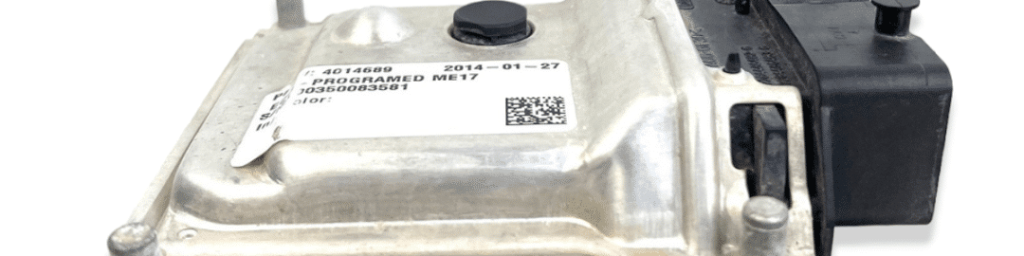
At REV6, we know how sensitive UTV engines are to heat. That is why our custom ECU tuning service includes lower fan activation temperatures on applicable models. Bringing the fan on sooner helps:
- Stabilize coolant temperature in slow or technical terrain
- Reduce heat soak after hard pulls or towing
- Counter many early warning signs of overheating
Lower fan temps do not replace proper maintenance, but they do provide a valuable safety margin. This is especially helpful for machines that tow, rock crawl, run bigger tires, or spend a lot of time in low-speed, high-load situations.
Keep Your UTV Running Cool
A UTV cooling system works flawlessly when all components function together. But a weak impeller, early head gasket failure, trapped air, sensor issues, or a clogged radiator can quickly upset that balance. Once overheating begins, the engine is on borrowed time.
With proper maintenance, correct bleeding procedures, quality components, and smart upgrades like lower fan temp tuning, most overheating failures can be prevented. At REV6, every engine we build undergoes a complete cooling inspection and upgraded sealing to support long-term reliability wherever you ride.
If you are planning major repairs or a fresh build, be sure to review our Help Center for details on shipping, cores, and ordering. When you are ready to talk through options, our team is only a message or phone call away.