










UTV Transmission Failing Signs: When to Rebuild
Your UTV transmission works hard every time you climb a hill, haul a load, crawl through mud, or hammer down a trail. Most riders do not think about it until something slips, grinds, leaks, or smells hot.
That is usually when the machine starts talking.
The good news is that most UTV transmission problems give warning signs before they turn into major damage. If you know what to watch for, you can often catch the issue early, choose the right repair path, and avoid turning a simple fix into a full case replacement.
This guide covers the most common UTV transmission failing signs, how to tell the difference between CVT clutch problems and gearbox problems, and when it makes sense to rebuild instead of replacing the entire unit.
Quick Answer: Common UTV Transmission Failing Signs
A UTV transmission may be failing if you notice belt slip, a burning rubber smell, grinding or whining noises, hard shifting, popping out of gear, gearcase leaks, or power loss in one drive range. CVT issues usually involve the belt, clutch sheaves, springs, rollers, weights, bushings, or clutch bearings. Gearbox issues usually involve gears, shift forks, bearings, seals, reverse chains, or contaminated gear oil.
How a UTV Transmission and CVT Clutch Work Together

Before you can diagnose the problem, it helps to understand what is working together. Most modern side-by-side drivetrains use two main systems: the CVT clutch system and the gearbox.
The CVT System
The CVT system is the external belt-driven side of the drivetrain. It includes the primary clutch, secondary clutch, and drive belt. As engine RPM changes, the clutch sheaves open and close to change the drive ratio automatically.
When everything is healthy, the belt grips properly, the clutches move smoothly, and power transfers cleanly from the engine toward the gearbox. However, heat, dust, water, worn sheaves, weak springs, or a tired belt can quickly create slipping and poor engagement.
Where the CVT Clutch Fits In
When riders say their UTV transmission is slipping, the problem often starts in the CVT clutch system instead of the internal gearbox. The primary clutch, secondary clutch, belt, springs, rollers, weights, bushings, and sheave faces all work together to transfer power smoothly.
If the CVT clutch is worn, dirty, overheated, or not shifting correctly, the machine may feel weak even though the engine runs fine. Common CVT clutch symptoms include rough engagement, belt slip, high RPM with poor ground speed, jerky takeoff, squealing, or a burning belt smell.
This is why it is important to inspect the belt and clutch system before assuming the gearbox has failed. A worn CVT clutch can mimic bigger transmission problems, but catching it early may save you from replacing parts you do not need.
The Gearbox
The gearbox is the internal transmission housing. This is where High, Low, Reverse, and Park are handled. Inside the case, you will find gears, bearings, shift forks, seals, reverse chains, gear oil, and other internal components that have to work under load.
These two systems work together, but they fail in different ways. That matters because a belt or clutch issue is not diagnosed the same way as a damaged gearcase.
7 UTV Transmission Failing Signs to Watch For
1. Belt Slip Under Acceleration
What it feels like: The engine revs, but the machine does not move like it should. You may notice hesitation, shuddering, poor hill-climbing power, or RPM climbing faster than ground speed.
What may cause it: Belt slip is usually tied to heat, belt wear, clutch wear, or poor clutch engagement. Running in high range at low speeds, towing heavy loads, riding in deep mud, or letting dust and water into the CVT housing can all create extra heat.
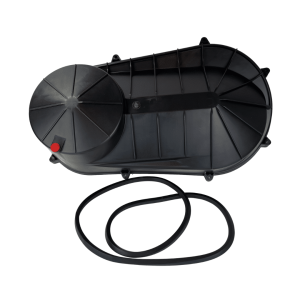
What to check: Remove the CVT cover and inspect the belt. Look for glazing, cracks, missing cords, edge fraying, flat spots, or a belt that has become narrower than a new one. Also inspect the clutch sheave faces for grooves, scoring, or uneven wear.
What it means: If the belt is the only damaged part, a belt replacement may solve the problem. However, if the clutch sheaves are worn or the clutch bearings feel rough, a new belt may only hide the problem for a short time.
2. Burning Smell from the CVT Area
What it smells like: A sharp burnt-rubber smell after a climb, mud section, heavy tow, or slow-speed work.
What may cause it: The belt is getting too hot. When a CVT belt slips, friction builds heat fast. Once you smell it, the belt has already been working harder than it should.
What it means: Stop and inspect the CVT before riding harder. Catching the problem early may save the belt, clutch housing, and surrounding components. Ignoring it can turn a belt issue into clutch damage.
3. Whining, Grinding, or Clunking Noises
Noise can tell you a lot, but timing matters. Pay attention to when the sound happens.
- Whining or squealing under acceleration: Often points toward belt slip or glazed clutch sheaves.
- Grinding when shifting: More likely a gearbox issue, especially if the oil is low, burnt, or contaminated.
- Clunking from a stop: Can come from worn clutch weights, rollers, springs, or a belt with flat spots.
- Slapping or thudding when letting off the throttle: May point toward a loose belt, worn belt, or a secondary clutch that is not back-shifting cleanly.
Shop tip: When diagnosing transmission noise, write down when it happens: at idle, under load, during shifting, while coasting, or only in one drive range. That one detail can save a lot of guesswork.
Stop Riding Immediately If You Notice These Signs
- The machine pops out of gear under load.
- You smell burning rubber from the CVT area.
- Gear oil is milky, burnt, or full of metal flakes.
- The transmission is leaking enough to leave spots under the machine.
- You hear grinding when shifting or driving.
4. Hard Shifting or Gear Hunting
What it feels like: The shift lever feels stiff, the machine does not want to go into gear, or it feels like it is hunting between gear positions.
What may cause it: Hard shifting may come from a bent shift linkage, worn shift detent, low gear oil, contaminated oil, or internal gearbox wear.
What to check: Start with the simple items. Check linkage adjustment and inspect the gearcase oil. Clean oil is a good sign. Dark, burnt, or metallic oil points toward heat and internal wear. Milky oil usually means water has entered the gearbox.
What it means: If water or metal is in the oil, do not keep riding and hope it clears up. Gear oil protects the bearings, gears, chains, and shift parts. Once that oil is contaminated, damage can move fast.
5. Slipping Out of Gear Under Load
What it feels like: The machine pops out of gear during a climb, under throttle, or while carrying load.
What may cause it: This often points toward worn engagement dogs, weak detent springs, gear wear, or shift-related internal damage.
What it means: Stop riding. A machine that jumps out of gear under load can round off the remaining engagement surfaces quickly. What might be repairable today can become a damaged case or full transmission replacement if you keep pushing it.
6. Gearcase Fluid Leaks
What it looks like: Oil spots under the machine, wet residue near the output shaft seals, or oil collecting around the gearcase gasket area.
What may cause it: Leaks can come from worn seals, failed gaskets, heat cycling, impact damage, or age.
What it means: A seal leak caught early is usually much easier to fix than a gearbox that has been run low on oil. If you see gear oil, inspect it before the next ride.
7. Power Loss in One Drive Range
What it feels like: The machine works fine in High but feels weak in Low, or the opposite. You may also notice inconsistent belt grip depending on load.
What may cause it: This can point toward secondary clutch issues, helix wear, spring problems, poor belt tension, or clutch components that are not moving the way they should.
What it means: Do not assume the engine is the problem. If the engine runs clean but the machine does not transfer power correctly, the CVT clutch and gearbox both deserve a close look.
CVT Rebuild vs. Gearbox Rebuild
CVT problems and gearbox problems often get grouped together as side-by-side transmission problems. However, they are not the same job.
CVT path: Engine power moves through the primary clutch, belt, and secondary clutch.
Gearbox path: Power then moves through the internal gears, chains, bearings, and shafts before reaching the wheels.
What a CVT Rebuild Usually Covers
A CVT rebuild may include the belt, primary clutch parts, secondary clutch parts, springs, weights, rollers, bushings, and clutch bearings. These parts are more accessible than gearbox internals, and many experienced DIY mechanics can service them with the right tools.
The big mistake is replacing the belt without inspecting the clutch faces. A fresh belt running on damaged sheaves is not a proper repair. That is like putting clean oil into an engine with metal still floating around in it. It might feel better for a minute, but the problem is still there.
What a UTV Gearbox Rebuild Usually Covers
A gearbox rebuild is more involved. It can require splitting the case and inspecting gears, shift forks, reverse chains, bearings, seals, shafts, and related hardware.
This work requires a clean setup, careful inspection, proper pressing tools, and attention to internal clearances. If the case is still good, rebuilding the gearbox can be a smart path. If the case is cracked, broken, or heavily damaged, a rebuilt or remanufactured transmission may make more sense.
When to Rebuild a UTV Transmission
The right repair depends on how early you caught the issue, how badly the transmission is damaged, and whether the case is still usable.
Option 1: DIY Parts and Rebuild Kits
This path makes sense when you catch the problem early, and your gearcase housing is still intact. If you need bearings, seals, a reverse chain, or upgraded internal parts, a quality rebuild kit can help you repair the transmission without replacing the entire unit.
This is a good fit for experienced DIY riders, repair shops, and mechanics who have the tools to split cases and inspect parts properly. You can browse available parts and rebuild options by machine in the REV6 Powersports shop.
Option 2: In-House Transmission Rebuild
This path makes sense when your case is still structurally sound, but the internal damage is more than you want to handle on your own bench.
With an in-house rebuild, you remove the transmission and send the core to REV6. Our technicians inspect the unit, replace worn internal components, address known weak points when applicable, and send the transmission back ready to install.
This gives riders and shops a professionally rebuilt transmission without buying a brand-new unit. If you are unsure whether your case can be rebuilt, contact REV6 before guessing at the repair path.
Option 3: Rebuilt or Remanufactured Transmission
This path makes sense when the damage is severe, when the machine needs a ready-to-install unit, or when a shop wants to reduce bench time. If a reverse chain broke and damaged the case, a gear shattered, or the casting is no longer usable, rebuilding your original unit may not be the right move.
REV6 offers rebuilt transmission options for popular Polaris RZR models, including the Polaris RZR 900 transmission, Polaris RZR Turbo S XP transmission, and Polaris RZR Pro XP transmission. These links are helpful if you already know your machine and want to compare real rebuild options.
What Your Rebuilt Transmission Includes
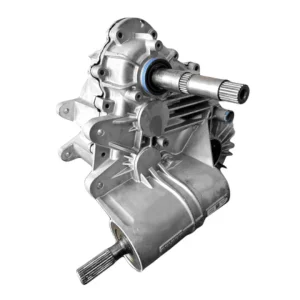
A rebuilt transmission should come back clean, inspected, properly assembled, and ready for the next step in your repair. At REV6, every rebuilt transmission starts with a full core inspection and a complete tear-down for cleaning.
From there, a master technician inspects the transmission core and rebuilds the unit using a careful assembly process. Lash and mesh are set to spec for proper gear engagement and smoother operation. Before shipment, every unit receives a final quality control inspection.
All REV6 Rebuilt Transmissions Include:
- A full inspection of the transmission core
- Complete tear-down and cleaning of parts
- Turf delete, available by request
- Bearings cleaned and inspected
- Upgraded bearings installed as needed
- Heavy-duty pinion plate
- Lash and mesh set to spec
- Final quality control inspection before shipment
Available Transmission Upgrades
Some builds can be upgraded further depending on the machine, riding style, and what the transmission needs. Reach out before ordering if you want to talk through upgrade options for your specific machine.
- Gear reductions: 12%, 24%, and 26%
- Upgraded double-wide reverse chain
Need help deciding whether a rebuild, remanufactured transmission, or parts-only repair makes the most sense? Contact REV6 and our team can help you sort out the best path before you spend money on the wrong fix.
How to Help Your UTV Transmission Last Longer
The best transmission rebuild is the one you avoid with smart maintenance. A few habits can make a big difference.
Use Low Range When the Machine Is Working Hard
If you are crawling, towing, hauling, loading a trailer, or working through mud, low range helps reduce belt heat and drivetrain stress. Always follow your owner’s manual, but as a general habit, do not make the CVT do heavy work in the wrong range.
Check Gearcase Oil Often
Follow the service interval in your owner’s manual. However, if you ride water, mud, deep dust, or heavy load conditions, inspect the fluid sooner. Water, heat, and debris can turn gear oil into a problem instead of protection.
Keep the CVT Intake Clean
The CVT housing needs airflow to help manage belt temperature. A clogged intake screen or dirty vent path can drive heat up quickly. After dusty rides, give the intake area a quick inspection.
Inspect the Belt Before It Fails
Do not wait for a belt to explode before checking it. Remove the CVT cover on a schedule and look for glazing, cracks, cords, edge wear, and flat spots. A five-minute inspection can save a long walk back to the truck.
What REV6 Offers for UTV Transmission Work
REV6 rebuilds and remanufactures transmissions for UTVs, ATVs, and other powersports machines across major brands, including Polaris, Can-Am, Kawasaki, Yamaha, and more.
We also supply powersports parts and rebuild kits for riders, shops, and mechanics who want to handle the work themselves. Depending on the machine and application, that can include bearings, seals, reverse chains, gear sets, and related drivetrain components.
Every rebuild and parts path starts with the same goal: help you choose the right repair before spending money on the wrong one. If you are unsure whether your transmission needs a belt, CVT clutch work, gearbox parts, an in-house rebuild, or a rebuilt transmission, contact REV6 and our team can help point you in the right direction.
You can also review our REV6 warranty details, browse parts by make and model in the REV6 shop, or visit the REV6 Help Center for shipping and support information.
The Bottom Line
A failing UTV transmission usually gives you warning signs before it gives up completely. Belt slip, burning smell, gear noise, hard shifting, leaks, and popping out of gear all point to something specific.
The key is not to guess. Inspect the CVT. Check the belt. Look at the clutch system. Look at the gearcase oil. Pay attention to when the noise happens. Then choose the right repair path based on what is actually damaged.
Whether you are a DIY rider, a shop mechanic, or someone who wants REV6 to handle the rebuild, the goal is the same: diagnose it correctly, fix it with quality parts, and get the machine back to work with confidence.
Need help sorting out your next step? Reach out to the REV6 team and we will help you choose the best path for your machine.
UTV Transmission FAQ
Common UTV transmission failing signs include belt slip, a burning rubber smell, grinding or whining noises, hard shifting, popping out of gear, gearcase leaks, and power loss in one drive range.
CVT clutch problems usually show up as belt slip, burning smells, poor acceleration, clutch noise, rough engagement, or high RPM with poor ground speed. Gearbox problems are more likely to cause grinding, hard shifting, popping out of gear, leaking gear oil, or contaminated fluid.
Yes. A worn CVT clutch can make the machine feel weak, jerky, or slow to respond even when the internal gearbox is still okay. That is why the belt, clutch sheaves, weights, rollers, springs, and bushings should be inspected before assuming the gearbox has failed.
It is better to stop and inspect the issue before riding harder. A slipping belt, worn clutch, or damaged gearbox can get worse quickly under heat, load, and high RPM.
A rebuild usually makes sense when the case is still usable and the damage is limited to internal wear parts, bearings, seals, reverse chains, or gears. If the case is cracked or badly damaged, a rebuilt or remanufactured transmission may be the better path.
Yes. REV6 offers transmission rebuild and remanufacturing options for powersports machines, along with parts and rebuild kits for riders, shops, and mechanics.